


Quick Summary
- Accessibility: Authorized users can access supported HR workflows online across locations and devices.
- Lower infrastructure needs: Cloud deployment can reduce reliance on locally managed servers and software.
- Scalability: Businesses can expand users or functionality as workforce requirements change.
- Security controls: Reputable platforms can provide encryption, authentication, permissions, backup, and other safeguards.
- Process efficiency: Automation can reduce repetitive administration and manual data entry.
Cloud-based HR software helps small businesses manage employee records, leave, attendance, payroll-related workflows, self-service, and other HR processes through an online platform. It can reduce repetitive administration, centralize workforce information, support remote access, and make it easier to scale HR processes as the workforce grows, depending on the software and configuration.
Quick Summary
- Accessibility: Authorized users can access supported HR workflows online across locations and devices.
- Lower infrastructure needs: Cloud deployment can reduce reliance on locally managed servers and software.
- Scalability: Businesses can expand users or functionality as workforce requirements change.
- Security controls: Reputable platforms can provide encryption, authentication, permissions, backup, and other safeguards.
- Process efficiency: Automation can reduce repetitive administration and manual data entry.
If your small business still manages HR through spreadsheets, paper files, and disconnected tools, everyday work can become harder to track as the team grows. Cloud-based HR software gives small businesses a centralized online system for employee records, leave, attendance, payroll-related workflows, self-service, and other HR processes, subject to the features and configuration of the platform.
What Is Cloud-Based HR Software?
Cloud-based HR software is an online HR platform hosted on remote servers rather than installed only on local office systems. Authorized users can access supported HR workflows through a browser or mobile app, depending on internet connectivity, permissions, and the software's features.
For a small business, cloud HR software can bring employee information, leave and attendance data, payroll-related inputs, recruitment records, and self-service into one digital workspace. Instead of relying on separate spreadsheets and paper files, HR teams and managers can work with more consistent and accessible information.
What Are the Benefits of Cloud-Based HR Software for Small Businesses?
1. How Does Cloud-Based HR Software Support Remote Access?
Cloud-based HR software can give authorized users remote access to supported HR workflows, such as leave approvals, employee records, reports, and self-service tasks. Access still depends on the device, internet connection, user role, and platform configuration.
For small businesses with multiple work locations, remote employees, or owners who travel often, this access can make routine HR work easier to continue without depending on office files or a single local machine.

2. How Can Cloud-Based HR Software Reduce Infrastructure and Admin Effort?
Cloud-based HR software can reduce the need for locally managed HR servers and manual infrastructure maintenance. It does not remove every cost, because pricing can depend on modules, employee count, implementation, support, and contract terms.
Many cloud HR systems use subscription-based pricing, which can be useful for small businesses that want to start with core features and expand later. The main financial value is often reduced administrative effort and clearer HR processes, rather than guaranteed savings.
3. How Does Cloud HR Software Scale as a Small Business Grows?
Cloud-based HR software can make it easier to add users, modules, workflows, or storage as workforce requirements change. The extent of that scalability depends on the vendor, plan, implementation, and configuration.
For a small business, scalable HR software can reduce the need to replace tools each time the workforce expands. The right system should support current requirements while leaving room for future HR processes, locations, and employee-service needs.
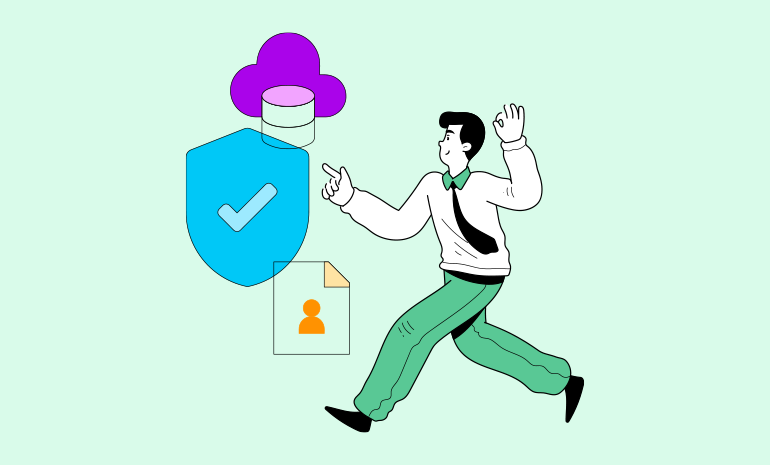
4. How Can Cloud-Based HR Software Help Protect HR Data?
Cloud-based HR software can support stronger data protection when the provider and the business use appropriate safeguards. Important controls include encryption, secure authentication, role-based access, backups, monitoring, regular updates, and clear data-handling practices.
Security is not automatic. Small businesses should evaluate the vendor's security practices, access controls, data privacy commitments, and backup or recovery options before choosing a platform.
5. How Does Cloud HR Software Streamline HR Processes?
Cloud-based HR software can automate repetitive HR tasks such as leave requests, attendance inputs, employee-data updates, document workflows, reminders, and reporting. Automation can reduce manual data entry and some processing errors, although source data, approvals, and exceptions still need appropriate review.
How Can Cloud-Based HR Software Improve Small-Business HR Operations?
1. How Does Cloud-Based HR Software Support Adaptability?
Cloud HR software can make it easier to adjust HR workflows as team size, locations, or internal policies change. The flexibility depends on the platform's configuration options and the business's implementation process.
For example, a small business may need to add approval workflows, expand employee self-service, include new teams, or standardize HR records across locations. A configurable cloud platform can support these changes more efficiently than disconnected spreadsheets and paper files.
2. How Can Cloud HR Reporting Support Better HR Decisions?
Cloud HR platforms can centralize workforce information and reporting, helping business owners and HR teams review trends such as attendance, leave, employee information, hiring activity, or performance inputs where available. These insights are useful when the data is accurate and regularly maintained.
Instead of searching across separate files, HR teams can use reports and dashboards to identify routine issues, follow up on pending actions, and support planning conversations with managers.
3. How Does Employee Self-Service Improve Routine HR Access?
Employee self-service can make routine HR information easier for employees to access and reduce repeated HR queries. Depending on the platform, employees may be able to view payslips, update permitted details, request leave, access HR policies, and submit configured requests.
This can help employees complete standard HR tasks more independently while giving HR teams more time for work that requires judgment, support, or follow-up.

4. Can Cloud-Based HR Software Create a Competitive Edge?
Cloud-based HR software does not automatically make a business more competitive. It can, however, support faster HR administration, more consistent employee information, and a more professional employee-service experience, which may help small businesses operate with greater discipline as they grow.
The advantage comes from choosing software that fits real HR needs, implementing it well, training users, and maintaining accurate data rather than adopting technology for its own sake.
What Should Small Businesses Look for in Cloud-Based HR Software?
Before choosing a platform, define the HR processes that need the most improvement. Common criteria include core HR features, leave and attendance, payroll compatibility, employee self-service, reporting, implementation support, security controls, mobile access, and scalability. See greytHR's HR software page for a category overview.
Compare shortlisted platforms against your business size, budget, integration needs, support expectations, and future growth plans. For a deeper evaluation checklist, refer to greytHR's guide on how to choose HR software.

Conclusion: Make HR Easier to Manage as the Business Grows
Cloud-based HR software is not just a technology upgrade. For small businesses, it can help centralize employee information, reduce repetitive administration, support remote access, and create more consistent HR workflows.
The right platform should fit the business's current needs while giving it room to grow. Focus on the HR processes that slow the business down today, then choose software that can simplify those workflows without adding unnecessary complexity.
About greytHR
greytHR is a full-suite HRMS trusted by 34,000+ organisations and 3.5 million+ users across 30+ countries. A cloud-based platform, greytHR offers a complete hire-to-retire suite for modern HR teams: manpower planning, recruitment, onboarding, core HR, leave & attendance, timesheets, payroll, performance management, expense management, and exit. Built for diverse workforces and regulatory environments, greytHR supports complex Indian statutory payroll requirements as well as key GCC frameworks such as WPS, DEWS, and GOSI. Its English and Arabic mobile app enables seamless HR and employee access across regional and international workforces. With built-in Agentic AI across HRMS workflows, greytHR helps businesses automate everyday HR processes, make better workforce decisions, and deliver a seamless, employee-centric HR experience.
Frequently Asked Questions About Cloud-Based HR Software
1. What is cloud-based HR software and how does it work?
Cloud-based HR software is an online platform that helps manage HR functions such as employee records, leave, attendance, payroll-related workflows, recruitment, self-service, documents, and reports. It is hosted on remote infrastructure, so authorized users can access supported features through a web or mobile interface, depending on connectivity, permissions, and configuration.
2. What are the benefits of cloud-based HR software for small businesses?
The main benefits include easier remote access, centralized employee information, reduced dependence on local infrastructure, scalable HR workflows, improved reporting, employee self-service, and automation of repetitive tasks. For employee-facing workflows, an employee self-service portal can also reduce routine HR queries.
3. Is cloud-based HR software secure?
Cloud-based HR software can be secure when the provider and the business use appropriate safeguards. Small businesses should evaluate encryption, authentication, role-based permissions, backup and recovery options, monitoring, update practices, data privacy commitments, and relevant security standards before selecting a platform.
4. Can cloud-based HR software scale as a small business grows?
Yes, many cloud-based HR platforms can scale by adding users, modules, workflows, locations, or storage as business requirements change. The ease of scaling depends on the product, pricing plan, implementation, data setup, and support provided by the vendor.
5. What should a small business look for when choosing cloud-based HR software?
When selecting cloud-based HR software, consider the following factors:
- Core HR fit: Confirm that the platform supports the HR workflows your business actually needs.
- Ease of use: Check whether HR teams, managers, and employees can complete routine tasks without excessive support.
- Scalability: Review how easily the platform can add users, modules, locations, and workflows.
- Security and privacy: Assess access controls, authentication, encryption, backup, data handling, and vendor transparency.
- Support and implementation: Understand onboarding, migration, training, customer support, and contract terms before committing.
By weighing these factors, small businesses can choose cloud-based HR software that supports current HR needs and remains practical as the workforce grows.
Author(s)
greytHR
greytHR is a full-suite HRMS platform that automates HR processes and empowers employee self-service. It ensures all-around productivity and engaged employees — the crucial ingredients for growth.Share this


