


If you have ever received a job offer and wondered, “How much will I actually take home?”, you are not alone. Salary structures in India can feel complicated because they include multiple components like HRA, special allowance, PF, bonus, and tax deductions. Many people look only at the CTC number, but the real foundation of your salary is the basic pay. Understanding basic salary meaning and how it is calculated helps you evaluate offers more realistically and negotiate better.
What Is Basic Salary? (Basic Pay Meaning)
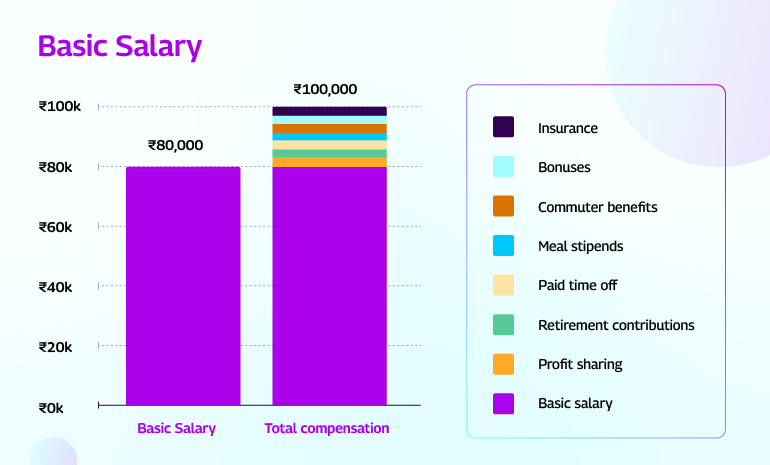
Basic salary, also called basic pay, is the fixed core portion of your salary. It does not include allowances, bonuses, incentives, or perks. It is the amount agreed upon for your role before any additions or deductions.
- It is the fixed portion of salary before additions and deductions
- It forms the base for PF, gratuity, and other benefits
- It does not include HRA, bonuses, or special allowances
In simple terms, basic salary is the foundation on which the entire salary structure is built.
Basic Salary Calculation Formula
Basic salary is usually structured either from your gross salary or directly from your CTC. Companies design it based on their compensation policies and compliance requirements. There is no single mandatory formula in the private sector, but common approaches are used
From Gross Salary
When gross salary is known, basic salary is calculated by excluding allowances and variable components.
- Basic Salary = Gross Salary – (Allowances + Bonus + Perks)
- Remove HRA, special allowance, conveyance, and bonuses
- Exclude variable pay components
- The remaining fixed amount is basic salary
From CTC
In most private sector companies, basic salary is structured as a percentage of CTC.
- Basic Salary ≈ 40–50% of CTC (varies by organization)
- Lower percentage reduces PF and gratuity liability
- Higher percentage increases long term benefits
- Structure depends on company compensation policy
Monthly Basic Salary
To calculate monthly basic salary:
- Monthly Basic = Annual Basic ÷ 12
- Used for payroll processing
- Used to calculate monthly PF
- Reflected in salary slips
Example of Basic Salary Calculation
Let us consider an example for clarity.
- CTC: INR 6,00,000 per annum
- Basic Salary set at 50 percent
- Annual Basic = INR 3,00,000
- Monthly Basic = INR 25,000
If PF is 12 percent of basic:
- PF contribution = INR 3,000 per month
This example shows how basic salary directly impacts statutory deductions.
Basic Salary vs Gross Salary vs Net Salary
Understanding these three terms is essential while reviewing salary offers.
| Component | Meaning |
|---|---|
| Basic Salary | Fixed core component without allowances |
| Gross Salary | Basic + allowances + bonuses before deductions |
| Net Salary | Take home salary after deductions like PF and tax |
- Basic is the foundation
- Gross is earnings before deductions
- Net is final take home pay
Basic Salary Percentage
There is no fixed legal rule on the basic salary percentage in the private sector, but common practice ranges from 40 to 50 percent of CTC.
- 40 percent structure lowers employer contribution costs
- 50 percent structure increase employee long-term benefits
- Government roles follow fixed pay structures
The percentage affects PF, gratuity, and bonus calculations.
PF Percentage of Basic Salary
Provident Fund is directly linked to the basic salary.
- Employee PF contribution: 12 percent of basic salary
- Employer PF contribution: 12 percent of basic salary
- Higher basic means higher PF deduction
Since PF is calculated only on basic pay, the structuring of salary significantly impacts retirement savings.
Basic Salary in India (Private vs Government)
Basic salary structures differ significantly between the private and government sectors.
Private Sector
Basic salary in private companies is flexible and negotiated during hiring. It is usually structured within the overall CTC framework.
- Negotiated between employer and employee
- Structured as part of CTC
- May vary between 40 to 50 percent
Government Sector
Government salaries follow fixed pay matrices defined by pay commissions. The basic pay is clearly defined and revised periodically.
- Determined by the pay matrix level
- Linked to Dearness Allowance
- Standardized increments
Government employees have less negotiation flexibility compared to private sector employees.
Basic Salary in Salary Slip
Basic salary appears as a separate line item in the salary slip. It forms the base for other components and deductions.
Sample Salary Slip Structure
Earnings:
- Basic Salary
- HRA
- Special Allowance
- Other Allowances
Deductions:
Provident Fund
Professional Tax
Income Tax
Net Salary = Total Earnings – Total Deductions
Factors Affecting Basic Salary
Several factors influence how basic salary is structured.
- Industry standards
- Company compensation policy
- Employee experience and role level
- Location of employment
- Compliance requirements
Senior roles may have flexible structures, while entry level roles often follow fixed templates.
Why Employers Keep Basic Salary Lower
Some private employers structure lower basic salary to manage statutory costs. Since PF and gratuity are calculated on basic, reducing it lowers employer liability.
- Reduces PF contribution
- Reduces gratuity liability
- Allows higher flexible allowances
However, lower basic may impact long term employee benefits.
Common Mistakes in Basic Salary Calculation
Employees often misunderstand salary components during offer discussions.
- Confusing CTC with take home salary
- Ignoring impact of PF on net salary
- Not checking percentage of basic in CTC
- Overlooking long term benefit impact
Understanding the structure helps in better salary negotiation.
FAQs
Who decides the basic salary for an employee?
In private companies, the employer decides the structure within company policy. In government jobs, it is defined by pay matrix rules.
What is the difference between basic salary and base salary?
Both terms are often used interchangeably. They refer to the fixed core component of salary before allowances and deductions.
Is basic salary the same as gross salary?
No. Basic salary is only one part of gross salary. Gross includes basic plus allowances and bonuses.
What is the basic salary rule?
There is no universal rule in private sector, but many companies structure basic salary between 40 to 50 percent of CTC.
Is basic salary taxable?
Yes. Basic salary is fully taxable under income tax laws.
Are allowances added to basic salary taxable?
Most allowances are taxable unless specifically exempt under tax provisions.
Does higher basic salary increase PF?
Yes. Since PF is calculated as a percentage of basic salary, higher basic results in higher PF contribution.
Final Thoughts
When evaluating a job offer, do not look only at the CTC number. Basic salary is the real foundation of your compensation. It determines your PF, gratuity, and long-term savings. Taking a few minutes to understand how your basic salary is structured can make a big difference to your financial planning and overall career decisions.
Author(s)
greytHR
greytHR is a full-suite HRMS platform that automates HR processes and empowers employee self-service. It ensures all-around productivity and engaged employees — the crucial ingredients for growth.Share this


