


By 2030, the Middle East is expected to capture 2% of global AI benefits, valued at nearly USD 320 billion.
The number signals a region moving quickly on its digital priorities, combining policy, investment, and innovation to build the futuristic capabilities driving the digital transformation of HR.
In a recent greytFM conversation, Fatima Mirza, Head of HR EMEA at Evonik Gulf FZE,shares how this AI-based momentum is shaping the world of HR. She describes how organizations are using AI in HR to strengthen decision-making, improve workforce management, and build more responsive people practices.
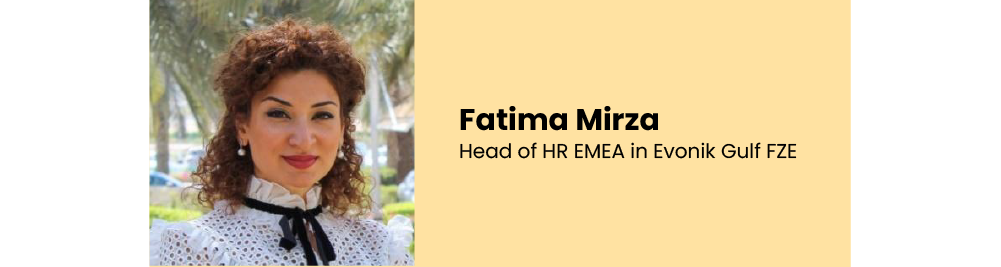
This article draws on that discussion to explore:
- What is driving the region’s fast adoption of AI?
- Which skills will define HR’s next phase of growth?
- How is AI changing the daily work of HR?
- Why does talent management work differently in the Middle East?
- What lies ahead for HR leaders in an AI-enabled world?
What Is the Middle East’s Secret to Fast AI Adoption?
A defining characteristic of the Middle Eastern workplace is decisiveness.
“Decisions are made quickly, and frameworks for implementation are rapidly put in place,” said Fatima.
This clarity in decision-making has long been a regional hallmark. Once a choice is made, organizations align their structures and teams to act on it. The approach creates momentum and reduces hesitation - a key reason why AI in HR has found traction here faster than in many other markets.
Supported by national programs such as the UAE National AI Strategy 2031 and Saudi Vision 2030, the region has built a strong foundation for technology-driven change. Companies now move from idea to execution without extended waiting periods. Many are developing localized HR solutions that accommodate multilingual workforces, cross-border compliance, and complex regional regulations - clear signs of an ongoing HR digital transformation.
Which Skills Will Define HR’s Next Phase of Growth?
AI’s adoption has reshaped what it means to succeed in HR. The role now demands professionals who can interpret data, work confidently with digital tools, and apply sound judgment to automated outcomes.
Fatima highlighted three areas that define this next phase:
1. Data Literacy
HR professionals must read and interpret analytics that inform hiring, retention, and engagement. Insight matters more than information.
2. Technological Fluency
Understanding how AI systems function helps HR teams choose the right tools and use them responsibly.
3. Ethical Awareness
As automation grows, HR must safeguard fairness and prevent bias, particularly in a region as diverse as the Middle East.
These competencies are turning HR into a data-driven, ethically grounded function that connects technology with human understanding.
How Is AI Changing the Daily Work of HR?
AI is now embedded in everyday HR operations across the Middle East.
Teams increasingly use HR automation tools to:
- Draft policies, job descriptions, and internal documentation.
- Analyse large data sets and generate reports within minutes.
- Manage recruitment, onboarding, and performance processes more efficiently.
These are clear examples of AI in HR that illustrate how the function is evolving from a reactive to a proactive discipline that anticipates workforce trends and designs data-based strategies. As Fatima noted, the shift allows HR to redirect time and energy toward planning, engagement, and capability building.
Why Does Talent Management Work Differently in the Middle East?
Talent management in the Middle East reflects the region’s diversity and pace of growth. Workforces are multilingual, highly mobile, and influenced by a mix of local and expatriate employment laws.
AI is helping HR manage this complexity more effectively. Organizations are using:
- AI-enabled video interviews to assess communication style and candidate fit.
- Algorithmic matching tools that connect candidates to teams and roles based on collaboration data.
- Bilingual HR platforms that integrate regional compliance, visa processes, and onboarding needs.
“The Middle East is not just adopting global HR technology,” said Fatima. “It is adapting and innovating to meet its own needs.”
This approach highlights a clear shift: the region is building solutions designed for its realities, not importing systems designed elsewhere - a hallmark of the digital transformation of HR in this part of the world.
What Lies Ahead for HR Leaders?
Fatima believes the future of HR leadership will depend on adaptability and continuous learning.
When we lack understanding, our default is to look at technology as a threat. However, as we get to appreciate capabilities of AI and HR tech, it’s evident to see the best complementary capability offered to us rather than simply replacing us,” she said.
Automation will continue to streamline administrative work, but HR’s role will expand in areas where human judgment matters most—coaching, culture, and organisational design. The leaders who learn to combine digital fluency with empathy will shape how people and technology grow together.
Watch the complete video here:
How Is greytHR Enabling AI-Led HR Transformation?
The greytFM discussion aligns closely with what greytHR is building through greytAI, its AI-driven recommendation engine within the Engage module. greytAI helps employees express feedback clearly, recognize peers meaningfully, and communicate with greater empathy and precision.
One of greytAI’s core capabilities is tone analysis in written communication, offering suggestions that make workplace messages more thoughtful and inclusive.
In fast-moving, multicultural teams across the Middle East, this capability supports exactly the kind of clarity and reflection that leaders like Fatima Mirza see as essential to modern HR.
Book a demo to explore how greytHR enables HR teams to build communication-aware, people-focused workplaces powered by intelligent technology.


